
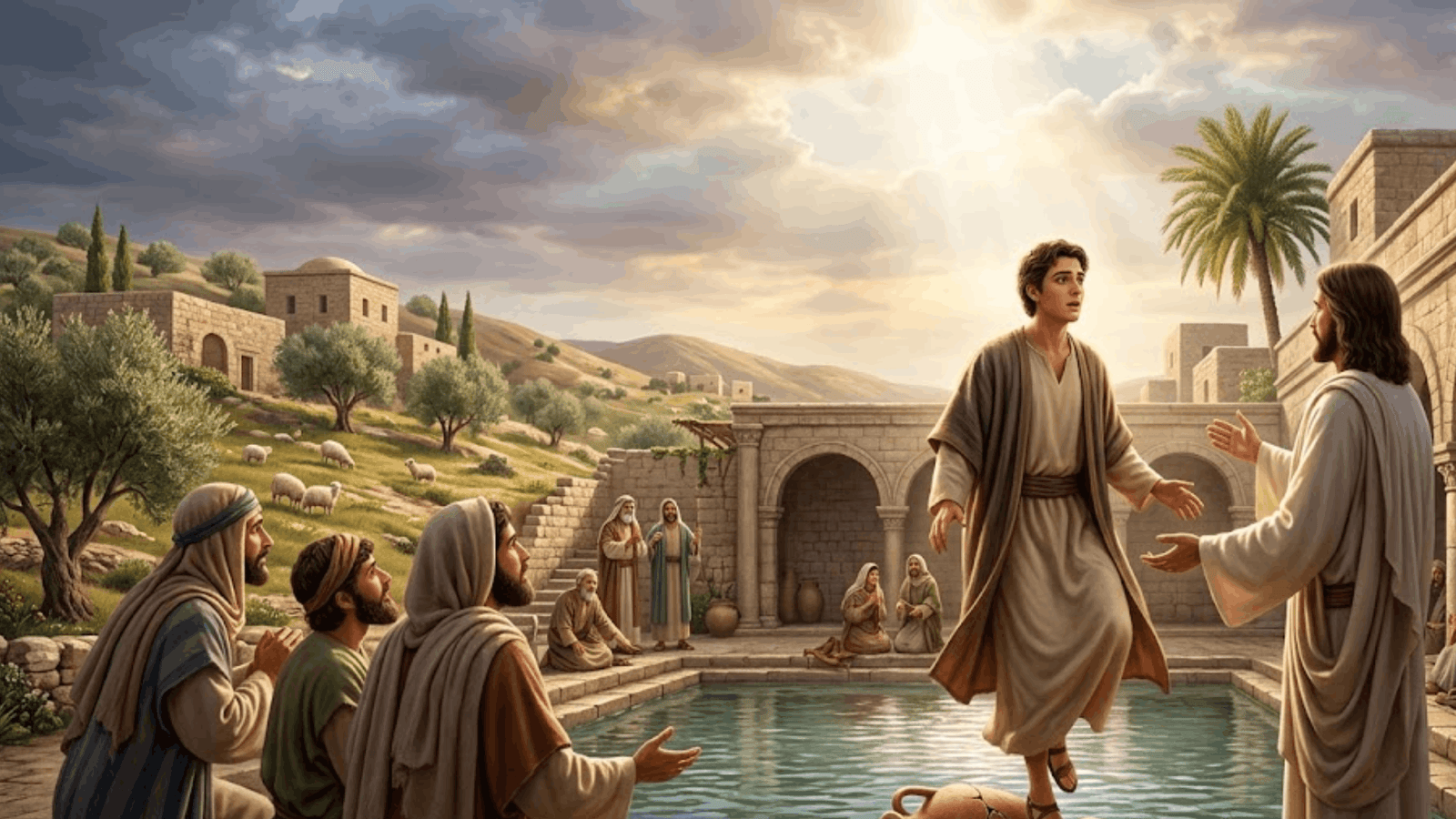
A few years back, I sat in a hospital waiting room while a friend paced the hallway, flipping through a battered baby name book, mumbling names under her breath. When she got to “Tristan,” she stopped and asked me, half-joking, half-serious: “Is that even in the Bible?” I didn’t have a solid answer for her that day, which bugged me enough to go dig into it properly. That’s really where this article started.
The Tristan name meaning Bible question comes up more often than you’d think, especially among parents who want a name that sounds strong and a little romantic, but who also want to know if there’s any spiritual weight behind it. The short answer is: it’s complicated, and honestly more interesting than a simple yes-or-no.
Tristan isn’t a name you’ll find printed in a King James concordance, but that doesn’t mean it lacks spiritual resonance. Let’s unpack where it actually comes from, what it has come to symbolize, and why so many people mistakenly assume it has ancient scriptural roots.
Where Does the Name Tristan Actually Come From?
Tristan has nothing to do with Hebrew, Greek, or Aramaic — the three languages that make up nearly all of biblical scripture. Its roots are Celtic, most likely from the Pictish name Drustan, which itself ties back to an older word meaning “tumult” or “noise,” sometimes softened in translation to “riot” or “din.” Over centuries, as the legend of Tristan and Iseult spread through medieval Europe,
French troubadours reshaped the spelling and gave it a folk association with the word “triste,” meaning sad. That’s why so many baby name sites today confidently tell you Tristan means “sorrowful” or “full of sadness” — it’s a linguistic coincidence dressed up as etymology.
Here’s why that distinction matters: a name’s meaning shapes how people think about their own identity, especially later in life when someone Googles their own name for the first time. If a teenager named Tristan finds a page insisting his name literally means “sad,” that’s going to color how he feels about it, even if the claim is shaky at best.
Understanding the real linguistic path Pictish to Old French to English gives a much more grounded, and honestly more flattering, picture. The “tumult” root actually connects better to ideas of passion, intensity, and a kind of restless courage, which lines up far more naturally with the character in Arthurian legend than the “sad” label does.
Suggested alt text for this section:
- “Medieval Celtic manuscript showing early spelling of the name Tristan”
- “Illustration of the legendary knight Tristan from Arthurian folklore”
- “Map tracing the linguistic path of the name Tristan across Europe”
Also Read This: 300+ Beautiful Irish Blessings Everyone Should Know
Tristan Name Meaning Bible: A Closer Look at Legend vs. Scripture
This is the section people are really searching for, so let’s be direct about it. There is no character named Tristan anywhere in the Old or New Testament. Not in the Masoretic text, not in the Septuagint, not in the Vulgate.
If you search a full concordance of the Bible, the name simply won’t appear, in any translation, in any book. So when someone types “Tristan name meaning Bible” into Google, what they’re usually hoping to find is either a hidden reference they missed, or some kind of symbolic tie-in that connects the name’s meaning to a Christian virtue or story.
That second option is actually where things get interesting. While Tristan doesn’t have a scriptural origin, many Christian parents and pastors have drawn parallels between the qualities associated with the name loyalty, sacrificial love, inner conflict resolved through devotion — and biblical themes found in figures like David or Jonathan.
The story of Tristan and Iseult, at its core, is about a love that costs everything, a loyalty tested by impossible circumstances, and a kind of tragic redemption. Those are threads you’ll recognize from plenty of biblical narratives, even if the name itself was never part of them.
I think this is why the phrase “Tristan name meaning Bible” keeps trending in search results even though there’s no literal verse to point to. People aren’t necessarily looking for textual proof. They’re looking for permission to give a name spiritual weight, to feel like it fits within a framework of faith even when its origin sits outside it.
And honestly, that’s a completely reasonable thing to want. Plenty of names in common Christian use today — Amanda, Wendy, Vanessa — have zero biblical origin either, yet nobody bats an eye at baptizing a baby with one of those names.
Suggested alt text for this section:
- “Open Bible with a name meanings book resting beside it”
- “Close-up of a concordance page showing search for biblical names”
- “Parent reading a baby name and Bible reference guide together”
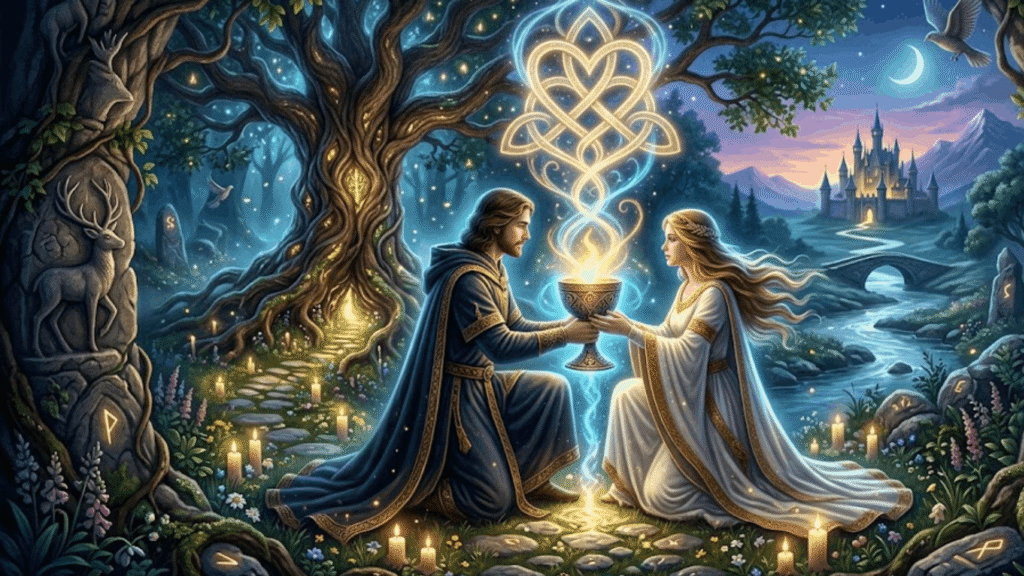
The Spiritual Symbolism Behind Tristan
Even without direct scripture, names carry symbolic weight because of how they’re used across culture, literature, and personal testimony over time. Tristan has become associated, particularly in Western Christian communities, with a handful of consistent themes: sacrifice, steadfastness under trial, and a kind of quiet inner strength that doesn’t need an audience.
Think about the medieval legend again for a second. Tristan doesn’t abandon his loyalty to King Mark even while wrestling with feelings that put him in direct conflict with duty. That tension between what you feel and what you owe shows up constantly in Christian teaching, from Abraham’s test on Mount Moriah to Peter’s struggle before the rooster crowed three times. It’s not that the Tristan legend is a biblical allegory. It’s that human beings keep telling versions of the same moral struggle, across totally different cultures and centuries, and the name has absorbed some of that resonance simply by association.
Some churches and Christian naming guides have started listing Tristan under “names symbolizing perseverance” rather than trying to force a biblical citation that doesn’t exist. That feels like the more honest approach. A name doesn’t need Old Testament lineage to carry meaning inside a person’s faith journey plenty of people find spiritual significance in names through prayer, personal history, or the character of someone they admired, not just through a Hebrew root word.
Suggested alt text for this section:
- “Sunlight streaming through stained glass onto an open prayer book”
- “Parent’s hand tracing a name written in a baby dedication certificate”
- “Symbolic illustration of a knight kneeling in prayer”
Tristan in Modern Christian Naming Culture
Walk into almost any nondenominational church nursery today and you’ll likely hear at least one Tristan called for during pickup. It’s become a genuinely popular name among Christian families over the last two decades, sitting comfortably alongside names like Caleb, Elias, and Micah, even though its origin story is completely different from theirs.
Why has that happened? Partly it’s sound Tristan has that strong, two-syllable, masculine cadence that feels similar to biblical names without technically being one. Partly it’s cultural exposure; the Arthurian legend has been retold in books, films, and shows for generations, keeping the name visible and giving it a kind of romantic gravitas. And partly, I think, it’s the growing comfort many Christian parents have with choosing names for their sound and personal resonance rather than requiring strict scriptural pedigree.
I’ve spoken with a few parents (informally, nothing scientific) who chose Tristan specifically because it felt “strong but not overused,” and who later added spiritual meaning to it themselves dedicating the name in a baby dedication ceremony,
praying over it, tying it to a personal verse even though the name itself isn’t in that verse. That practice, of infusing a name with faith rather than expecting the name to arrive pre-loaded with it, is actually a long Christian tradition. Puritan naming conventions aside, most cultures have always done some version of this.
Suggested alt text for this section:
- “Baby dedication ceremony at a modern church service”
- “Christian parents holding an infant during a naming blessing”
- “Nursery wall décor featuring the name Tristan in wooden letters”

Numerology and Character Traits Associated with Tristan
This part sits outside strict Christian theology, so take it as cultural context rather than doctrine — but it comes up so often in searches about Tristan that it deserves a mention. In numerology, Tristan is commonly linked to the number 5, a number associated with adaptability, curiosity, and a resistance to routine. People who lean into numerology often describe Tristans as independent thinkers, drawn to travel or change, uncomfortable sitting still for too long.
Separately, in more general name-trait folklore (the kind you find on parenting forums rather than academic sources), Tristan is frequently described as charismatic, a bit intense, deeply loyal once trust is earned, and prone to overthinking emotional situations. None of that is scientific, obviously traits aren’t encoded into four syllables.
But it’s worth noting because it feeds directly into why people search “Tristan name meaning Bible” in the first place. They’re hoping personality folklore and spiritual meaning will line up into something coherent and reassuring. Sometimes it does. Sometimes it’s just pattern-matching after the fact, the same way people read horoscopes and go “huh, that’s oddly accurate,” when it’s really just vague enough to fit anyone.
Suggested alt text for this section:
- “Numerology chart showing calculations for the name Tristan”
- “Journal page with handwritten reflections on name meaning and personality”
- “Illustration of number 5 symbolism in name numerology”
How to Use This Information: Practical Tips
If you’re actually trying to decide whether Tristan is the right name for a child, for a character you’re writing, or just for your own curiosity about your name here’s how to actually use everything above instead of just reading it and forgetting it.
- Don’t rely on baby name websites for biblical claims. If a site tells you Tristan appears in the Bible or has a Hebrew root, that’s incorrect, and it’s worth double-checking any other “facts” on that same page too. Cross-reference with an actual concordance (Blue Letter Bible and Bible Hub both let you search every name mentioned in every translation, completely free).
- If spiritual meaning matters to you, create it intentionally. Choose a verse that reflects the qualities you want the name to represent — loyalty, courage, sacrifice — and formally attach it during a baptism, dedication, or even just a private prayer. Write it down somewhere the child (or you) can find later. This is more meaningful than hunting for a false biblical citation.
- Check the legend, not just the dictionary definition. If you like the idea of “tumult” over “sadness,” lean into that reading and mention it if anyone asks about the name’s meaning — it’s the more historically accurate version anyway.
- Pair it with a middle name that does have biblical roots, if you want that anchor. Tristan James, Tristan Elias, or Tristan Micah gives you the modern sound with a scripturally rooted middle name for balance.
- If you’re naming a fictional character, use the “restless intensity” symbolism to your advantage — it fits antiheroes, conflicted love interests, or characters torn between duty and desire particularly well.
My Honest Take
Personally, I don’t think a name needs to be in the Bible to carry spiritual weight — and I’ll admit I used to be more rigid about this. I grew up in a household where every name got checked against scripture before it was seriously considered, and there was an unspoken sense that non-biblical names were somehow less “blessed.” I don’t buy that anymore.
Meaning isn’t just inherited from a text; it’s built through how a name gets used, prayed over, and lived out by the person carrying it. That said, I do think it’s worth being upfront with people that Tristan isn’t a biblical name in the literal sense — pretending otherwise, which some name sites clearly do for SEO traffic, feels a little dishonest. Give people the real history. Let them decide what meaning to layer on top of it themselves.
Frequently Asked Questions
Is Tristan mentioned anywhere in the Bible?
No, Tristan does not appear in any book of the Old or New Testament, in any major translation. It’s a Celtic-origin name that entered popular use through Arthurian legend, centuries after biblical texts were compiled, so there’s no direct scriptural reference to search for.
What does the name Tristan mean spiritually?
Spiritually, Tristan is often associated with loyalty, sacrifice, and perseverance through emotional conflict, largely because of themes in the Tristan and Iseult legend. These qualities resonate with Christian virtues, even though the name itself has no biblical origin or Hebrew root.
Is Tristan a good Christian name to give a baby?
Many Christian families do choose Tristan, often pairing it with a biblically rooted middle name for balance. There’s no religious restriction against using non-biblical names in dedication or baptism, so it comes down to personal preference and family tradition rather than doctrine.
Does Tristan mean sad or sorrowful?
That’s a popular but slightly misleading claim, based on a folk connection to the French word “triste.” The more historically accurate root is Pictish, from “Drustan,” meaning tumult or noise — closer to intensity and passion than sadness.
What is the biblical equivalent or closest meaning to Tristan?
There isn’t a direct equivalent, but names like Jonathan (loyalty) or David (courage under conflict) carry similar thematic weight. Parents looking for a comparable biblical name often land on one of these two as a spiritual counterpart to Tristan’s symbolic meaning.
Closing Thoughts
I still think about that friend in the waiting room sometimes, and I ended up sending her most of this research a few weeks later. She didn’t end up naming her son Tristan, but she told me she appreciated finally knowing the real story instead of a recycled baby-name-site claim. If you’re wrestling with the same question, I hope this gave you something more solid to stand on.

Welcome to Blessings Beam. I’m David, an Unique SEO and Content Writer with 5 years of experience. I help websites rank higher, increase organic traffic, and deliver impactful content that genuinely connects with readers. My goal is to make SEO simple, effective, and results-driven. Let’s achieve more together.