
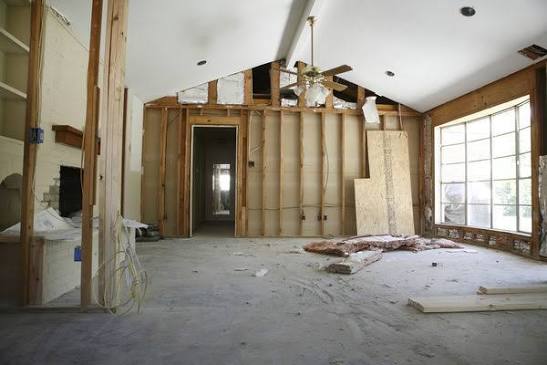
Home renovation projects can transform an outdated space into a more comfortable, functional, and valuable home. Whether you are updating a kitchen, remodeling a bathroom, replacing flooring, or making structural improvements, renovation work often feels exciting because you can see visible progress every day.
However, many homeowners focus so much on design choices, budgets, materials, and timelines that they overlook an equally important part of the process: safety.
Renovation accidents do not always happen because of major mistakes. In many cases, injuries and property damage occur because of small details that are ignored, rushed, or considered unimportant. Understanding these hidden risks before starting a project can help homeowners, DIY enthusiasts, and contractors create a safer working environment.
Poor Planning Before Starting Renovation Work
One of the most common safety mistakes happens before the first tool is even used. Many renovation projects begin without a proper assessment of potential hazards.
Homeowners may immediately start removing walls, drilling surfaces, or changing electrical fixtures without understanding what is behind those areas. Hidden wiring, plumbing pipes, gas lines, or structural supports can create serious problems if accidentally damaged.
Before starting any renovation, it is important to:
- Review the project scope carefully
- Identify possible hazards
- Understand the home’s existing systems
- Prepare the necessary tools and protective equipment
- Create a realistic work schedule
A few hours spent planning can prevent days of repairs, unexpected expenses, or dangerous situations.
Ignoring Electrical Hazards
Electrical work is one of the biggest safety concerns during home improvements. Even simple tasks such as replacing light fixtures, installing outlets, or drilling into walls can become dangerous if electrical lines are not properly identified.
Common electrical risks include:
- Contact with live wires
- Overloaded temporary power connections
- Damaged extension cords
- Incorrect installation of electrical components
- Working in damp areas without proper protection
Bathrooms, kitchens, basements, and outdoor areas require extra caution because water increases electrical risks.
If a renovation involves major electrical changes, hiring a qualified professional is often the safest choice. Incorrect electrical work can also create long-term fire hazards even if everything appears normal after installation.
Exposure to Dust and Harmful Materials
Many renovation projects create large amounts of dust and airborne particles. While visible dust may seem harmless, certain materials can affect indoor air quality and health.
Older homes may contain materials such as asbestos, lead-based paint, or other hazardous substances. Disturbing these materials during sanding, demolition, or drilling can release harmful particles into the air.
Even modern renovation materials can create problems when proper protection is ignored. Drywall dust, insulation fibers, paint fumes, and construction chemicals can irritate the eyes, skin, and respiratory system.
Basic protection measures include:
- Wearing appropriate masks or respirators
- Using safety glasses
- Improving ventilation
- Sealing off renovation areas
- Cleaning dust regularly
Keeping the work area controlled protects both workers and people living inside the home.
Unsafe Use of Ladders and Temporary Equipment
Falls are among the most common accidents during renovation projects. Many homeowners underestimate how quickly a simple ladder task can become dangerous.
Problems often happen because people:
- Use damaged ladders
- Stand on unstable surfaces
- Overreach instead of moving the ladder
- Carry heavy materials while climbing
- Work too quickly
A ladder should always be placed on a stable, level surface. For higher projects, proper scaffolding or professional equipment may be necessary.
Safety equipment may feel inconvenient, but a few extra minutes of preparation can prevent serious injuries.
Removing Walls Without Understanding Structure
Open-concept designs and larger spaces are popular home improvement goals, but removing walls without proper knowledge can create major safety issues.
Not every wall looks important, and some homeowners assume a wall is safe to remove because it appears small or outdated. However, certain walls support the weight of the building above them.
Removing a load-bearing wall without proper planning can weaken the structure and cause expensive damage.
Before removing walls, homeowners should determine:
- Whether the wall supports the structure
- Where electrical and plumbing systems run
- Whether permits are required
- Whether professional engineering advice is needed
Structural changes should never be based only on appearance.
Poor Ventilation During Renovation
Ventilation is often ignored during indoor renovation work. Many homeowners close windows and doors to contain dust but accidentally create an unhealthy environment.
Paints, adhesives, sealants, cleaning chemicals, and construction materials can release fumes that build up inside enclosed spaces.
Proper airflow helps:
- Reduce chemical exposure
- Remove unpleasant odors
- Improve drying times
- Protect indoor air quality
Using fans, opening windows when possible, and following product instructions can make renovation spaces much safer.
Leaving Tools and Materials in Unsafe Areas
A messy renovation area is not just inconvenient; it can become dangerous.
Loose tools, nails, wires, wood pieces, and construction materials can create trip hazards. These risks become even greater when children or pets have access to the area.
Simple organization habits can improve safety:
- Store tools after use
- Keep walkways clear
- Remove waste regularly
- Keep sharp objects properly stored
- Separate working areas from living spaces
A clean workspace is usually a safer workspace.
Underestimating Fire Risks
Renovation work can increase fire risks, especially when using electrical tools, heat equipment, paints, or flammable materials.
Common fire hazards include:
- Leaving tools plugged in unnecessarily
- Storing chemicals near heat sources
- Creating sparks near flammable materials
- Blocking access to fire extinguishers
Homeowners should keep basic fire safety equipment nearby and avoid storing combustible materials carelessly.
Ignoring Personal Protective Equipment
Many DIY renovators skip protective gear because they believe the project is small. However, even minor tasks can cause injuries.
Safety equipment does not need to be complicated. Basic protection may include:
- Safety glasses
- Work gloves
- Dust masks
- Hearing protection
- Protective footwear
The right equipment depends on the project, but avoiding protection completely increases unnecessary risks.
Failing to Consider Children and Pets
During renovation, homes often contain unfamiliar hazards. Open tools, chemicals, exposed wires, and construction materials can be dangerous for children and animals.
Creating a separate renovation zone and restricting access can prevent accidents.
Simple barriers, closed doors, and proper storage make a significant difference.
Final Thoughts
Home renovation is an investment in your property’s comfort, appearance, and value, but safety should always be part of the plan. Many renovation risks are not obvious, which is why they are often overlooked.
Electrical problems, hidden structural issues, poor ventilation, unsafe tools, and exposure to harmful materials can turn an exciting project into a stressful experience if ignored.
The safest renovation projects are not necessarily the fastest ones. They are the projects where homeowners take time to plan, understand risks, use proper equipment, and seek professional help when needed.
A well-designed home should not only look better after renovation but should also be safer, healthier, and more comfortable for everyone living inside it.
