
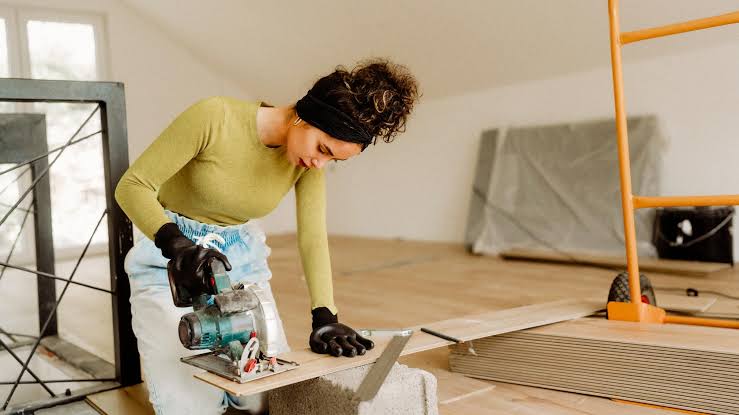
Home improvement products are constantly changing. Every year, manufacturers introduce new materials, tools, smart devices, and solutions that promise better performance, lower costs, and easier installation. While many innovations genuinely improve homes, some products that were once popular have slowly lost their reputation among experienced contractors, builders, designers, and maintenance professionals.
The reason is not always that these products are completely useless. In many cases, they simply fail to deliver the long-term value, durability, or practicality that homeowners expect. Professionals who work with these products regularly often see problems that are not obvious during the buying stage.
Understanding which home improvement products experts are becoming less enthusiastic about can help homeowners make smarter decisions, avoid unnecessary expenses, and choose solutions that provide lasting benefits.
Low-Quality Laminate Flooring in High-Traffic Areas
Laminate flooring became popular because it offered the appearance of hardwood at a lower price. Modern laminate has improved significantly, but professionals often avoid recommending cheaper versions for areas with heavy daily use.
Low-quality laminate can struggle with moisture exposure, scratches, and edge damage. Once water reaches the internal layers, swelling and separation can occur, creating problems that are difficult to repair.
Experienced flooring installers often suggest homeowners consider higher-quality alternatives such as engineered hardwood, luxury vinyl plank, or premium laminate designed for specific environments.
The issue is not laminate itself. The problem is choosing the cheapest option without considering the room conditions, expected lifespan, and maintenance requirements.
Overly Complicated Smart Home Devices
Smart home technology has transformed how people control lighting, security, heating, and entertainment systems. However, professionals have become more cautious about recommending inexpensive smart devices that depend heavily on unstable apps, limited software support, or unreliable connections.
Many homeowners install smart products expecting convenience but later experience problems such as:
- Devices losing connection
- Apps no longer receiving updates
- Compatibility issues after changing routers
- Replacement parts becoming unavailable
Professional installers increasingly prefer reliable smart home systems with strong manufacturer support rather than adding multiple low-cost devices that may become outdated quickly.
A simple, well-integrated system often provides a better experience than a home filled with disconnected smart gadgets.
Cheap Cabinet Refacing Materials
Cabinet upgrades are one of the most common ways homeowners refresh kitchens without a complete renovation. However, professionals often warn against extremely cheap cabinet refacing materials.
Low-cost veneers, thin laminates, and poor-quality adhesive products may look attractive immediately after installation but can fail when exposed to heat, moisture, and daily kitchen activity.
The kitchen environment is demanding. Cabinets experience constant opening, closing, cleaning, and exposure to changing temperatures.
Professionals usually recommend focusing on quality materials and proper installation rather than choosing the lowest-priced option available.
Certain Types of Peel-and-Stick Home Upgrades
Peel-and-stick products have become popular because they appear simple and affordable. From temporary flooring to wall panels and decorative tiles, these products attract homeowners looking for quick transformations.
However, many professionals have become cautious about using them as permanent solutions.
Common issues include:
- Adhesive failure over time
- Problems on uneven surfaces
- Difficulty removing old materials
- Poor performance in humid areas
These products can work well for temporary improvements, rental properties, or decorative changes. The problem occurs when homeowners expect them to perform like professionally installed materials.
Low-Grade Exterior Paint
Paint is one of the easiest ways to improve a home’s appearance, but professionals often avoid extremely inexpensive exterior paints.
Exterior surfaces face sunlight, rain, temperature changes, and environmental exposure. Cheap paint may require more frequent repainting because it loses color, cracks, or starts peeling sooner.
A higher-quality paint product may cost more initially but can reduce maintenance expenses over time.
Professional painters usually consider factors such as:
- Climate conditions
- Surface preparation
- Paint durability
- Manufacturer reputation
- Expected maintenance schedule
The cheapest bucket of paint is not always the most affordable option in the long run.
Certain Decorative Home Trends With Short Lifespans
Some home improvement products become popular because of design trends rather than practical benefits. Professionals often hesitate to recommend permanent installations based only on temporary styles.
Examples include:
- Extremely bold built-in features
- Overly specific room designs
- Trend-based materials with limited appeal
- Expensive decorative upgrades that do not improve functionality
A home should reflect personal style, but major investments usually benefit from timeless design choices.
Professionals often encourage homeowners to separate temporary trends from long-term improvements.
Cheap Bathroom Fixtures and Hardware
Bathroom fixtures may seem like small purchases, but low-quality faucets, shower systems, and hardware can create expensive problems.
Poorly made fixtures may experience:
- Leaking connections
- Weak finishes
- Difficult repairs
- Limited replacement options
Because bathrooms involve constant water exposure, professionals often prefer reliable brands and durable materials.
Saving money on a faucet or shower component can sometimes lead to higher repair costs later.
Excessively Complex Home Maintenance Systems
Some products are marketed as advanced solutions but create more maintenance responsibilities than benefits.
Examples include complicated filtration systems, unnecessary automation equipment, or specialized products requiring frequent servicing.
Professionals often recommend solutions that homeowners can realistically maintain.
A product that provides excellent performance but requires constant attention may not be the best choice for every household.
Products Without Strong Warranty Support
Experienced contractors often pay attention to warranty quality because it reflects how manufacturers stand behind their products.
A product with a limited warranty, unclear terms, or difficult claims process may create frustration when problems occur.
Professionals usually prefer manufacturers that offer:
- Clear warranty information
- Available replacement parts
- Established customer support
- Proven product history
A lower purchase price does not always mean better value.
How Homeowners Can Make Better Product Decisions
Avoiding outdated or unreliable home improvement products does not mean choosing the most expensive option. The goal is finding the right balance between quality, performance, budget, and long-term needs.
Before purchasing any product, homeowners should consider:
- How long they expect the product to last
- Where it will be installed
- Maintenance requirements
- Repair possibilities
- Professional opinions
- Real customer experiences
Products that work well in one home may not be suitable for another. Climate, usage patterns, installation quality, and maintenance habits all influence performance.
Final Thoughts
The home improvement industry continues to evolve, and some products naturally lose popularity as better solutions become available. Professionals often move away from products that create frequent repairs, disappointing results, or poor long-term value.
The smartest home improvement decisions are not always about buying the newest product or the cheapest option. They are about understanding how materials perform over time and choosing solutions that match the home’s needs.
By learning from the experience of contractors, builders, and renovation experts, homeowners can avoid costly mistakes and invest in improvements that continue delivering value for years.
