
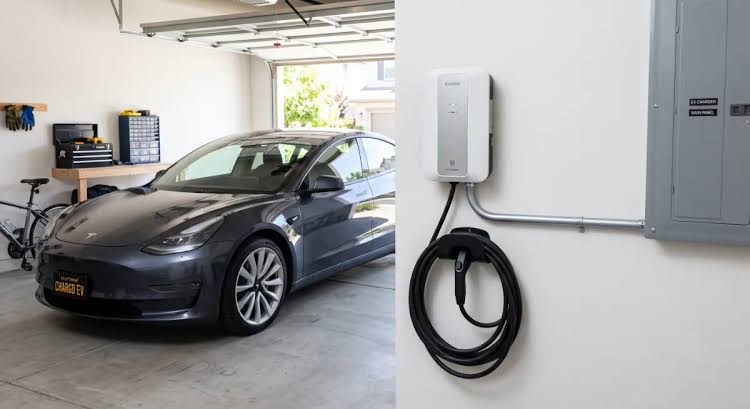
Electric vehicles are becoming more common, and many homeowners are considering installing EV chargers at home for convenience, lower charging costs, and easier daily use. While installing a charger in a newly built house is usually straightforward, older homes can present unique challenges. Aging electrical systems, limited panel capacity, outdated wiring, and complicated cable routes can affect the installation process.
Retrofitting an older home with an EV charger is not just about mounting a charging unit on the wall and connecting it to electricity. A proper installation requires evaluating the home’s electrical capacity, choosing the right charging setup, planning cable routes, and understanding potential upgrade costs.
Why Older Homes Need Extra Planning for EV Chargers
Many homes built decades ago were designed for much lower electricity consumption. At the time, households typically used basic appliances, smaller heating and cooling systems, and fewer electronic devices.
Modern homes often require power for:
- Electric vehicles
- Air conditioning systems
- Smart home devices
- Home offices
- Electric water heaters
- Heat pumps
- Kitchen appliances
An EV charger can become one of the largest electrical loads in a residential property. Because of this, older homes need an electrical assessment before installation.
A charger that works perfectly in one house may overload another property with an outdated electrical setup.
Checking Your Home’s Electrical Capacity Before Installation
The first step in retrofitting an older home is checking whether the existing electrical system can support EV charging.
Most electricians begin by inspecting the following areas:
Electrical Service Size
A home’s electrical service is measured in amps. Older properties may have a 60-amp or 100-amp service, while many modern homes have 200-amp service.
A Level 2 EV charger can require a significant amount of power, especially when charging larger battery vehicles. If the home’s service capacity is already heavily used, an upgrade may be necessary.
Main Electrical Panel Condition
The electrical panel is the central point where electricity enters and distributes throughout the home.
During an inspection, professionals check:
- Available breaker space
- Panel age
- Signs of overheating
- Corrosion or damage
- Compatibility with modern breakers
- Overall safety condition
Some older panels may not only lack capacity but may also need replacement due to safety concerns.
Current Household Energy Usage
An electrician may calculate the home’s existing electrical demand by reviewing major appliances and usage patterns.
For example, a home using:
- Electric heating
- Multiple air conditioners
- Electric water heating
- Pool equipment
may have less available capacity for an EV charger compared to a smaller home.
Choosing Between Level 1 and Level 2 EV Chargers
The type of charger installed can significantly affect the electrical requirements.
Level 1 Chargers
Level 1 chargers use a standard household outlet and typically do not require major electrical modifications.
Advantages include:
- Lower installation cost
- Simple setup
- Suitable for low daily driving distances
However, charging speed is much slower, and it may take many hours or even more than a day to fully charge some vehicles.
Level 2 Chargers
Level 2 chargers are the preferred choice for many homeowners because they provide faster charging.
They usually require:
- A dedicated circuit
- Higher electrical capacity
- Proper wiring
- Professional installation
For homeowners who drive regularly, a Level 2 charger often provides better convenience.
Cable Routing Challenges in Older Homes
One of the biggest installation challenges in older properties is finding the best route for electrical cables.
New homes are usually designed with easier access for wiring, but older homes may have finished walls, limited crawl spaces, or unusual layouts.
Common cable routing challenges include:
Long Distance Between Panel and Parking Area
If the electrical panel is located far from the garage or driveway, installation becomes more complicated.
Long cable runs may require:
- Additional wiring
- More labor
- Protective conduits
- Trenching for underground installation
Finished Walls and Limited Access
Running new cables through finished walls may require careful planning to avoid unnecessary damage.
Installers may need to work through:
- Attics
- Basements
- Crawl spaces
- Exterior walls
The easier the cable path, the lower the installation cost is likely to be.
Detached Garages
Many older homes have detached garages that were not originally designed for modern electrical loads.
Installing a charger in a detached structure may require:
- Underground wiring
- New conduit
- Separate electrical considerations
- Weather protection
Common Electrical Upgrades Needed for Older Homes
Depending on the condition of the property, several upgrades may be recommended.
Main Panel Upgrade
A panel upgrade may be necessary if the existing system cannot safely handle additional electrical demand.
This involves replacing the old panel with a newer unit designed for modern electrical requirements.
Dedicated EV Circuit Installation
Most Level 2 chargers require their own dedicated circuit to operate safely.
This prevents the charger from sharing power with other high-demand appliances.
Wiring Replacement
Some older homes still contain outdated wiring systems that may not meet current safety standards.
If wiring is damaged, undersized, or deteriorated, replacement may be needed before adding an EV charger.
EV Charger Installation Costs for Older Homes
The cost of retrofitting an EV charger varies widely depending on the home’s condition and installation complexity.
Typical cost factors include:
- Charger equipment price
- Electrical inspection
- Labor costs
- Cable length
- Panel upgrades
- Permits
- Wall repairs
- Trenching or conduit installation
A simple installation close to the electrical panel may be relatively affordable, while older homes requiring major electrical improvements can become significantly more expensive.
Homeowners should request detailed quotes that separate equipment costs from electrical upgrades. This makes it easier to understand what work is actually required.
Mistakes to Avoid When Adding an EV Charger to an Older Home
Many homeowners focus only on buying the charger and overlook important installation details.
Common mistakes include:
Installing Without an Electrical Assessment
Skipping a professional evaluation can create safety risks and may overload the electrical system.
Choosing a Charger Based Only on Speed
A faster charger is not always better if the home’s electrical system cannot support it efficiently.
Ignoring Future Energy Needs
Homeowners should consider future upgrades such as solar panels, heat pumps, or additional electric appliances.
A properly planned system can support future changes.
Using Unqualified Installers
EV charger installation involves electrical work that requires proper knowledge and safety practices. Choosing an experienced electrician can prevent costly problems later.
Can Older Homes Be Ready for Electric Vehicles?
In most cases, yes. Older homes can successfully support EV chargers with the right planning and upgrades.
The key is understanding the property’s current electrical condition and creating a solution that fits both the vehicle and the home’s limitations.
Some homes may only need a dedicated circuit, while others may benefit from a complete electrical modernization. The best approach depends on factors such as service size, charger type, parking location, and future energy plans.
Final Thoughts
Retrofitting an older home with an EV charger is a valuable upgrade that can improve convenience and support the transition toward electric transportation. However, successful installation requires more than purchasing charging equipment.
Electrical capacity, cable routing, safety requirements, and installation costs all play important roles in the decision-making process.
By evaluating the home’s electrical system first and working with qualified professionals, homeowners can create a reliable charging setup that works safely today while preparing the property for future technology.
